Popular Posts

Wednesday, January 9, 2013

Sony Ericsson Xperia Active, Not for the Couch Potatoes


The Sony Ericsson Xperia Active is that kind of a phone made for kicking the butts of its competitors. Literally. This soldier over here can survive under water for half an hour, is dust proof and shock resistant and, besides being a tough guy, the Xperia active is also smart and you’ll find out what I’m talking about if reading the following review. Let’s take a look at the main specs:

Key features

•    Quad-band GSM/GPRS/EDGE support
•    3G with 7.2 Mbps HSDPA and 5.76 Mbps HSUPA
•    3.0" 16M-color LED-backlit LCD capacitive touchscreen of HVGA resolution (320 x 480 pixels) at around 192 ppi
•    Bravia Mobile engine
•    Dust and water resistant, wet-finger tracking
•    Dual back cover design for increased protection
•    Arm case and wrist strap in the bundle
•    Android OS v2.3 Gingerbread
•    1 GHz MSM8255 Snapdragon processor
•    512 MB RAM
•    5 MP autofocus camera, single LED flashlight, Geo-tagging, image stabilization, smile detection, touch focus
•    720p video @ 30fps
•    Wi-Fi b/g/n, Wi-Fi hotspot functionality and DLNA
•    GPS with A-GPS, Wisepilot navigation
•    microSD slot (32GB supported, 2GB card included)
•    Accelerometer and proximity sensor, notification LED
•    Standard 3.5 mm audio jack
•    Stereo FM radio with RDS
•    TrackID music recognition
•    Relevant package of apps
•    MicroUSB port (charging) and stereo Bluetooth v2.1
•    Adobe Flash 10.3 support
•    1200mAh Li-ion battery

 Full specs here.

http://www.mobilephonedeals.com


In its box, you’ll find the charger, a microUSB cable used for both charging and making data connections, a pair of headphones with in-ear buds, an exchangeable rear cover, a 2 GB microSD card, a wrist strap, an arm case, some ear hooks for your earphones and the user manuals.


 Wow, that’s really something, isn’t it ? In this package, you’ve got everything you need for taking your phone everywhere you go and not worry about it.

When reading all the above, I bet you expect this phone to be a heavy and bulky device, but it’s not. It measures 92 x 55 x 16.5 mm and has a weight of 110.8 g, so it’s not heavy at all. It feels comfortable in the hand and your pockets will like it too. Its design is nice and sporty, you’ll find it to be an interesting device to look at and handle. Its back is curved and rubberized, feeling nice in the hand and it also keeps your fingerprints away from sticking to it. The most important thing about it is that you won’t be afraid of dropping it on the floor or in your soup ( I wanted to say toilet, but that would be kind of gross).

The Xperia active comes with a 3 inches LED-backlit LCD capacitive touchscreen that has a resolution of 480 x 320 pixels, a ~192 ppi pixel density, scratch resistant glass and is also powered by Sony’s Bravia Mobile engine. Its colors are bright and vibrant, the contrast is great and the sunlight legibility is wonderful – as it should be, as a matter of fact, because the phone is made for being used mostly outdoors.
The screen can be handled with wet fingers and is still very responsive. How cool is that ? You’ll be able to make phone calls and stuff like that in the shower, or if it rains – this fellow is not afraid of water.
Above its screen are the earpiece, a status LED and the proximity and ambient light sensors.
Beneath the display are the microphone, three capacitive keys for Back, Home and Menu and a strap eyelet.
The left side of the phone is home for the lonely Power/Lock key.
On the right side of the phone reside the volume rocker and camera key.
There’s nothing at the top, meanwhile at the bottom, you’ll see the 3.5 mm audio jack and the microUSB port.


If you take out the phone’s battery cover, you’ll find.. another battery cover. Under these two are the SIM and microSD card slots and the battery.
Now that we’ve seen how strong it is, let’s check out the Xperia active’s brain. It comes loaded with Android 2.3 Gingerbread and is upgradeable to v4.0 Ice Cream Sandwich. It also has the Timescape user interface, which gathers your call logs, email, SMS, MMS, Facebook and Twitter updates and enables you to filter the contents and see the important information only.
Our little champion is powered by a Qualcomm MSM8255 Snapdragon processor, having a 1 GHz Scorpion processor, Adreno 205 GPU, 1 GB of internal memory (but only 320 MB are user available) and 1 GB of RAM. The overall performance of the phone is great, as it’s very snappy and won’t bug you with lag issues, freezes and stuff like that.

In terms of telephony, the Xperia active comes with a smart phonebook that remembers tons of information about your contacts, syncs with your online accounts, has the quick contacts feature and voice dialing. The phone has a secondary microphone for active noise cancellation, so, the in-call quality is great, with the voices being loud and clear for both ends of the line and the reception was also free of problems.
At the messaging section, your SMS and MMS are organized in threads and displayed as conversations between you and your contacts. You can copy, paste, lock your messages against deletion and search within them for a certain one.
For instant messaging, Google Talk is here for you and supports clients like Pidgin, iChat, Kopete and others.
Your emails are managed by Gmail, which supports batch operations, and by a generic email application, that handles your other email accounts.

For typing, you get the Gingerbread on screen virtual QWERTY keyboard for portrait and landscape modes and a numeric pad that’s available only in portrait mode. Typing is pretty easy if you don’t have sausage-fingers, but even if you do, the landscape mode will be of a real help.
At the connectivity department, the phone has support for quad-band GSM/GPRS/EDGE, 3G with 7.2 Mbps HSDPA and 5.76 Mbps HSUPA, Wi-Fi b/g/n, DLNA, Wi-Fi Hotspot, Bluetooth 2.1 with A2DP and EDR and microUSB 2.0.


For surfing the web, you have the Gingerbread standard browser that comes with support for Adobe Flash 10.3 and has a simple user interface. It also features text reflow, double tap and pinch zooming, multiple tabs and switching between them, bookmarks, find on page and others. The pages are loaded fast and the overall browsing experience is very pleasing.
The Xperia active comes equipped with a 5 megapixel autofocus camera that takes pictures at a maximum resolution of 2592 x 1944 pixels and has a single LED flash for helping in low light situations. The camera interface features geo-tagging, touch focus, image stabilization, face detection and others. The image quality is very good, with accurate colors and decent amount of resolved detail.
The video camera is also very capable and produces 720p videos at 30 fps.
For audio playback, you get a fancy music player which is very similar to the Walkman players and features several equalizer presets, the Infinite key for searching a song on YouTube, the xLOUD enhancement for boosting the loudspeaker volume and others. The audio quality is great.
For watching videos, you don’t have a dedicated player, as the videos reside in the gallery, but you can easily download one.

In its basket of goodies, the Xperia active carries some nice applications, like the WalkMate for counting your footsteps during a day, the iMapMyFITNESS+ for information about your training, which are sent to your mapmyfitness.com account, which is free. For viewing Word, Excel, PowerPoint and PDF files, you have the Office Suite. You also have Notes, Reminders, Calendar, Calculator, Alarm  - which has the desk clock and night modes. A Facebook app is also on board.
A built-in GPS receiver is also here and has support for A-GPS. For navigation, you have Google Maps.
The Xperia active holds inside its tough body a 1200 mAh battery and it endured almost a day and a half on moderate usage.

In conclusion, the Sony Ericsson Xperia Active is a great choice if you’re living an active life. If you’re going hiking, for example, this phone is going to be your best buddy and you won’t have to worry about it if it rains cats and dogs over you or if you drop it into a puddle of mud. This fellow is both a survivor and a smart guy, so you’ll definitely grow feelings for it and keep it close in your adventures.
continue reading "Sony Ericsson Xperia Active, Not for the Couch Potatoes"

Tuesday, January 8, 2013

Sony Ericsson Xperia mini pro, Miracle Midget


The Sony Ericsson Xperia Mini Pro was launched in May 2011 and is a cute, reliable phone which offers some nice features, given the fact that it’s almost two years old. If you’re not a big fan of huge screens and big phone-brains, you’ll like this sweetheart over here. It’s small, looks nice and comes with a slide-out QWERTY keyboard that’s a real blessing when you’re texting. Want to find out more about this promising guy? Check out the following review!

Key features

•    Quad-band GSM /GPRS/EDGE support
•    3G with 7.2 Mbps HSDPA and 5.76 Mbps HSUPA
•    3" 16M-color capacitive LED-backlit LCD touchscreen, HVGA res (320 x 480), Sony Mobile BRAVIA engine
•    Full four-row, slide-out QWERTY keyboard
•    Android OS v2.3 Gingerbread
•    1 GHz Scorpion CPU, Adreno 205 GPU, Qualcomm Snapdragon MSM8255 chipset
•    512 MB RAM
•    5 MP autofocus camera, LED flash, geotagging
•    720p video @ 30fps, continuous autofocus
•    Front facing VGA camera
•    Wi-Fi b/g/n and DLNA
•    GPS with A-GPS
•    microSD slot (32GB supported, 2GB card included)
•    Accelerometer and proximity sensor
•    Standard 3.5 mm audio jack
•    Stereo FM radio with RDS
•    microUSB port (charging) and stereo Bluetooth v2.1
•    Voice dialing
•    Adobe Flash 10.3 support


For a good deal on a Sony Xperia mini pro, you may visit http://www.mobilephonedeals.com.


In the little fellow’s crib, I mean box, you’ll find the charger, a microUSB cable that serves for charging and making data connections, a 2 GB microSD card, the headphones and some user manuals.
The Mini pro measures 92 x 53 x 18 mm and has a weight of 136 g. You’ll think of it as being a fatso - at least, I thought that when I first read about its measuring, but I’ve changed my mind after seeing it. It is a little chubby, but it didn’t bother me when handling it. Your pockets will befriend it too. Even if the phone is entirely made from plastic, it seems to be very well put together and its design is also cute. If you’re not a fan of virtual keyboards and prefer the physical ones, you’ll love the Xperia Mini pro, because it’s just what you need when it comes to fast typing. But I’ll bring that into discussion a little later. Let’s find out some stuff about its display, shall we?

The Xperia Mini pro comes with a 3 inches LED-backlit LCD capacitive touch screen that has a resolution of 480 x 320 pixels, a ~192 ppi pixel density, has a scratch resistant glass and is powered by the Sony Bravia Mobile Engine. The screen is highly responsive, its colors are pretty bright and the contrast is good too. The viewing angles are decent and the sunlight legibility is great. 
Above the screen stand the earpiece, a status LED, the proximity and ambient light sensors and a secondary front-facing camera for making video calls.
Below the screen, you’ll see two haptic enabled capacitive keys for Menu and Back. Between them stands the Home hardware control.
The left side of the phone hosts a small opening for removing the battery cover.
On the right side are the volume rocker and a shutter button.
The top is home for the Power/Lock key, 3.5 mm audio jack, microUSB port and a secondary microphone.
At the bottom stands a lonely lanyard eyelet.


If sliding the phone, you’ll see its full QWERTY keyboard, which is great for texting, having a nice placement for its keys. If you have really big hands, it’ll take some time for getting used to it, but you’ll get there.
The Xperia Mini pro comes loaded with Android 2.3 Gingerbread and the Timescape user interface. It’s upgradeable to Ice Cream Sandwich. The phone is powered by a Qualcomm MSM8255 Snapdragon chipset, holding a 1 GHz Scorpion processor, Adreno 205 GPU, 512 MB of RAM and 400 MB of internal storage. The user experience offered is quite nice, as the phone runs smooth through the interface and I didn’t experience any lag issues or stuff like that.
The Timescape gathers your call logs, emails, SMS, MMS and your Facebook and Twitter updates. It allows you to filter the information displayed by type and, if it doesn’t get you completely satisfied, you can download some plugins and upgrade it.
The Xperia mini pro has a nice phonebook, which remembers tons of information about your contacts, syncs with multiple accounts, has the quick contacts feature and others. There’s no smart dialing available, but you still have voice dialing.

The in-call quality was very good for both ends of the line – we have to say thanks to the secondary microphone for active noise cancellation. I didn’t experience any reception problems either.
The phone is a real expert when it comes to messaging. It organizes your SMS and MMS into threads and displays them as conversations between you and your contacts, offering you the possibility of copying, deleting them, locking them against deletion, searching for a certain message and others.
For emailing, you have Gmail, which supports batch operations, and a generic email application that manages your other email accounts.
For instant messaging, Google Talk is here for you and is compatible with clients like iChat, Pidgin, Ovi Contacts and others.
For typing, you get two on-screen virtual QWERTY keyboards – one for each mode: portrait and landscape, but I seriously doubt you’ll be using them, as the phone has a great physical QWERTY keyboard.

In its connectivity basket, the Xperia Mini pro carries support for quad-band GSM/GPRS/EDGE, 3G with 7.2 Mbps HSDPA and 5.76 Mbps HSUPA, Wi-Fi b/g/n, Wi-Fi Hotspot, DLNA, Bluetooth  2.1 with A2DP and microUSB 2.0.
For surfing the web, you have the Gingerbread browser, which comes with a simple user interface, has support for Adobe Flash 10.3, double tap and pinch zooming, text reflow, bookmarks, multiple tabs, find on page and others. The overall browsing experience is very nice, as the pages load fast and look quite nice even if the phone doesn’t have a big screen.

The Xperia Mini pro comes equipped with a 5 megapixel autofocus camera that has a single LED flash and is capable of producing pictures at a maximum resolution of 2592 x 1944 pixels. It also offers settings for image stabilization, touch focus, smile and face detection, geo-tagging and others. The image quality is fine.
The video camera is also quite capable and produces 720p videos at 30 fps.
For audio playback, you have a good looking music player that has some nice features, among them being some equalizer presets, the xLOUD functionality for boosting the speaker volume, the Infinite key, which searches a song on YouTube and others. The audio quality is great.
An FM Radio is also on board and comes with RDS support and Track ID for song recognition.
For watching movies, I recommend downloading a video player that knows some things about formats and stuff.

When it comes to applications, the phone has the Office Suite for viewing Word, Excel, PowerPoint and PDF files. We also have the Calendar, Calculator, Alarms.
A built-in GPS receiver is on board and has support for A-GPS. For navigation, you have Google Maps.
The Xperia mini pro holds a 1200 mAh battery inside and will endure almost two days of moderate usage.

My final words about the Sony Xperia Mini Pro are that even if this little fellow seems like an old, fusty phone (compared to the smartphone-beasts that are wandering out there), I give you that it’s pretty smart and capable enough for answering your needs.


continue reading "Sony Ericsson Xperia mini pro, Miracle Midget"

Tuesday, December 4, 2012

Samsung Galaxy Fit S5670, Ready and Willing


Need a mid-range smartphone for full-filling your basic needs and you’re also seeking for something available at a small price ? Check out the Samsung Galaxy Fit S5670. It’s an average phone and might be a good choice. If you want to find more about it, check out the following review.
Key Features
•    Quad-Band GSM and dual-band 3G support
•    7.2 Mbps HSDPA
•    3.3” 65K-color QVGA TFT capacitive touchscreen
•    ARMv6 600MHz processor, 280MB RAM
•    Android OS v2.2.1 Froyo with TouchWiz v3.0 UI, Gingerbread coming up
•    160MB of internal storage, hot-swappable MicroSD slot, 2GB card included
•    5 MP autofocus camera with geotagging, smile detection
•    GPS receiver with A-GPS
•    Stereo FM radio with RDS
•    3.5mm audio jack
•    Document viewer
•    Accelerometer and proximity sensor
•    Swype text input
•    MicroUSB port (charging) and stereo Bluetooth 2.1
•    Social network integration
•    Good build quality

 Full specs here. 


The phone’s box holds a charger, the microUSB cable, a 2GB microSD card and the user guides.
The Galaxy Fit measures 110.2 x 61.2 x 12.6 mm and has a weight of 108 g, so it’s pretty light, compact and fits nicely in your hands and pockets. Even if it’s entirely made from plastic, it seems to be solidly built and has a glossy appearance on the frontal side, with a metallic-like chin under the display. The plastic on the back has a matte finish, thus offering a better hand grip and keeping your fingerprints away from sticking to it.
The phone holds a 3.3 inches TFT capacitive touchscreen that has a resolution of 240 x 320 pixels and a 121 ppi pixel density.


Above the display you’ll find the earpiece and a proximity sensor. Below the screen stands the physical Home key and has two sidekicks: two capacitive keys for Menu and Back.
The left side of the phone is home for the volume rocker and the microSD card slot, which is protected by a plastic lid.
The right side holds only the lonely Power/Lock key.
At the top, you’ll find the 3.5 mm audio jack next to the microUSB port, also protected by a plastic flap.
In terms of software, our device comes loaded with Android 2.2.1 Froyo and is upgradeable to v2.3 (Gingerbread). Using the phone will be a pleasant experience, as it also comes with the TouchWiz user interface which looks really cute. The phone is powered by a 600 MHz processor and has 280 MB of RAM. These specs won’t impress you, but get the job done without bugging you with lag issues or any undesirable stuff like that.

The telephony department is nicely put together, with a capable phonebook that has unlimited storage, has the Quick contacts feature, syncs your contacts with their multiple accounts (Exchange is included). Smart and Voice dialing are also included in the package.
The in-call quality is very good, as the voices were loud and clear for both parties and the reception was also good, I didn’t experience any drops of signal.

In the messaging department, your SMS and MMS are organized into threads and you have several options, like searching within them for a specific one and others.
Google Talk is here for taking care of instant messaging and supports multiple popular clients, like Pidgin, iChat, Ovi contacts and others.

For emailing, you have Gmail, which handles batch operations and multiple Gmail accounts, and a generic email application that supports other email accounts.
For typing, you have a comfortable on screen QWERTY keyboard which is very easy to use in portrait mode, if you don’t have sausages instead of fingers. If you still don’t settle with it, the landscape mode will take good care of you and your ogre hands. In both modes, the keys are nicely placed and accidental presses are unlikely to happen. Also available are the voice input and Swype.

The Galaxy Fit S5670 comes with a pretty rich connectivity package. We have here support for quad-band GSM/GPRS/EDGE and dual-band 3G with 7.2 Mbps HSDPA, Wi-Fi b/g/n, Wi-Fi Hotspot, Bluetoooth 2.1 with A2DP and USB 2.0. The phone also has a 3.5 mm audio jack, so you’ll be able to use whichever headphone set you desire.

For surfing the web, you have the Android browser, which is very capable, having support for bookmarks, text reflow, double tap and pinch zooming and others. You can also zoom through the dedicated buttons.
For snapping pictures, the phone comes with a 5 megapixel autofocus camera that takes pictures at a maximum resolution of 2560 x 1920 pixels, but lacks a LED flash. The camera interface is simple and offers settings for resolution, white balance, smile shot, panorama mode, geotagging and others. The image quality is very good for 5 megapixels with accurate colors and a good amount of resolved detail.
The video camera isn’t that great, though, but gets the job done. It’s capable of producing QVGA videos at 15 fps.

For listening to music, you get the TouchWiz player which offers several equalizer presets and the cool possibility of searching for a song on YouTube or Google. The audio quality is pretty nice.
An FM Radio is also present on the phone and has RDS support.
The video player is also decent enough and it’s capable of playing MP4 and 3GP files. (at least, that’s what I tried) If you were hoping for DivX/XviD support, tough luck.

The Galaxy Fit S5670 comes with a few handy applications in its basket, like a document viewer, YouTube, Picasa, an image/video editor, the usual calendar, alarms, voice recorder, calculator and others.
A GPS receiver is also on board and has A-GPS support and Google Maps for navigation.
The phone comes with a 1350 mAh battery and will endure two days of moderate usage.

In conclusion, even if it’s kind of old and outdated according and to today’s standards with all those smartphone-monsters out there, the Samsung Galaxy Fit S5670 still makes a good choice if you’re searching something average and cheap.

 For a mobile phone deal, you may visit here anytime.


continue reading "Samsung Galaxy Fit S5670, Ready and Willing"

Monday, November 26, 2012

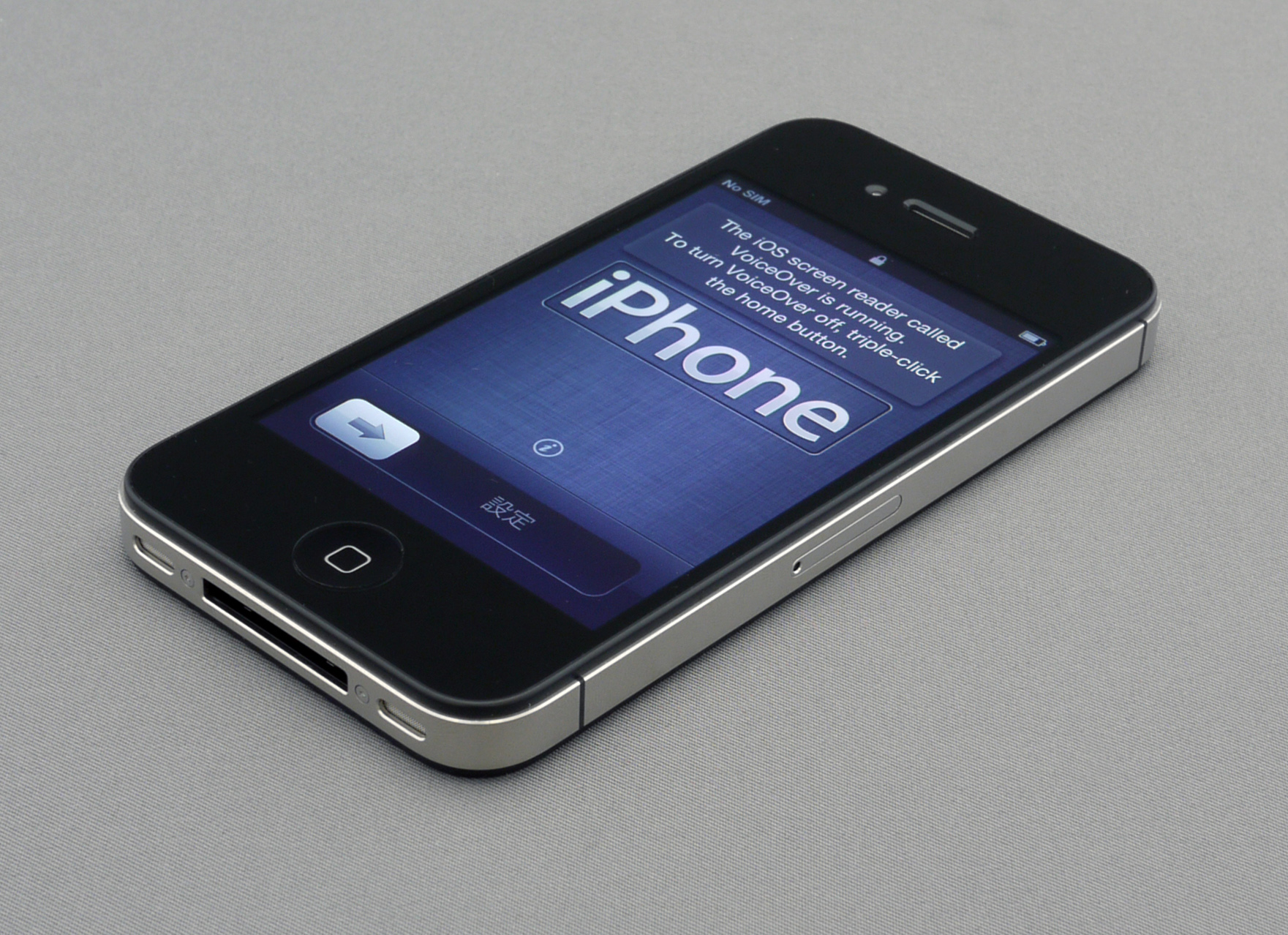
Apple iPhone 4S, Should I stay or Should I go ?


The iPhone 4S was launched a year ago and is still a star in the world of smartphones, as it keeps its predecessor’s famous and beloved design with some brand new talents stuffed under that marvelous appearance which we all like. If wanting to upgrade from your iPhone 4 and aren’t quite sure about the 5, take a look at the following review.

Key features

•    iOS 5 with iCloud integration
•    Quad-band GSM and quad-band 3G support with 14.4 Mbps HSDPA and 5.76 Mbps HSUPA
•    Dual-band CDMA and CDMA2000 1xEV-DO support
•    3.5" 16M-color LED-backlit IPS TFT capacitive touchscreen of 640 x 960 px resolution
•    Scratch-resistant glass front and rear, with fingerprint-resistant coating
•    1GHz dual-core ARM Cortex A9 CPU, PowerVR SGX543MP2 GPU, Apple A5 SoC
•    512MB of RAM
•    Voice recognition, Siri virtual assistant
•    8 MP autofocus camera with LED flash and touch focus
•    1080p video recording at 30fps
•    Wi-Fi 802.11b/g/n, Wi-Fi hotspot
•    GPS with A-GPS connectivity; digital compass
•    16/32/64GB storage options
•    Accelerometer, proximity sensor and a three-axis gyro sensor
•    Active noise cancellation with a dedicated secondary microphone
•    Standard 3.5 mm audio jack, stereo Bluetooth v4.0
•    Excellent audio quality
•    Slim waistline at only 9.3mm
•    Secondary front-facing VGA camera
•    Built-in Picture and Video editors
•    Rich AppStore
•    New antenna design and improved signal reception in poor signal areas


Full specs here.

Its box holds a charger, USB cable used for both charging and making data transfers, a pair of headphones, a little tool for ejecting the SIM, some Apple stickers and the user manuals.


The 4S looks exactly like its older sibling, measuring 115.2 x 58.6 x 9.3 mm and having a weight of 140 grams. It’s very compact and comfortable in the hand and your pockets will befriend it too. Its appearance is very sleek and hot and the sexy, glossy back is scratch-resistant, but the 4S is kind of fragile too, like its sibling.

The iPhone 4S comes with a 3.5 inches LED-backlit IPS TFT capacitive touchscreen which has a resolution of 640 x 960 pixels, a 330 ppi pixel density, Corning Gorilla Glass protection and oleophobic coating. The sunlight legibility and viewing angles are wonderful.
Above the nice Retina display are the ambient light and proximity sensors, next to the earpiece and front facing camera for video calls.
Below the screen is the lonely Home button.
On the left side of the phone, we’ll see two volume controls and a Mute key. The right side is home for the microSIM card slot.
At the top, you’ll find the Power/Lock key, the 3.5 mm audio jack and a secondary microphone for active noise cancellation.
At the bottom, you’ll come across the USB charging/cable connector, the mouthpiece and a loudspeaker grill.


The iPhone 4S comes with the iOS 5, which brings, among other features, a nice and helpful voice assistant: we all know the famous Siri. The interface looks great, is very simple and you’ll befriend it quickly if you’re new to the iOS or Apple gadgets. The 4S is also smarter than its brother, having an Apple A5 chipset, holding a dual-core 1 GHz Cortex-A9 processor, 512 MB of RAM, PowerVR SGX543MP2 GPU and 16/32/64 GB of internal storage. The iPhone 4S is quite a performer and runs smooth through the interface, without raising any issues.


The phonebook keeps its old looks, but adds some new stuff, such as the Related people functionality, which can label your contacts as parents, siblings, friends, spouse and so on. The in-call quality was better than its predecessor’s and so was the reception. The phone holds two antennas, so you won’t experience any dropped calls anymore.

Your SMS and MMS messages are organized in threads and displayed as conversations between you and your contacts. The iMessage service also allows you to send messages through Wi-Fi and 3G between you and other iOS 5 users. The virtual on screen QWERTY keyboard is very easy to use, having its keys well placed, so accidental presses are unlikely to happen.
The Mail app handles multiple mail accounts and has a Universal Inbox, which stores and displays all of your emails.

In the connectivity basket, you’ll find support for quad-band GSM and quad-band 3G with 14.4 Mbps HSDPA and 5.76 Mbps HSUPA, dual-band CDMA and CDMA 2000 1x EV-DO, Wi-Fi b/g/n, Wi-Fi Hotspot, Bluetooth 4.0 with A2DP and USB 2.0.

For surfing the web, the Safari browser has been improved, coming with some nice goodies, like the Reader mode and Private Browsing functionality. The overall browsing experience is great, as the pages are loaded really fast and look beautiful on the Retina display.


Another nice thing about the iPhone 4S is that it comes equipped with an 8 megapixel camera which is capable of taking pictures at a maximum resolution of 3264 x 2448 pixels. It also has a LED flash companion, for helping in low light situations. It offers a lot of features, like touch focus, geo-tagging, face detection and many others. The image quality is great, with accurate colors, good amount of detail and fine contrast.

The phone’s video camera is also excellent, producing some wonderful 1080p videos at 30 fps.
For audio playback, you get the Music player that has some equalizer presets, the Cover Flow interface in the landscape mode and a brilliant audio quality which is among the best I’ve seen. I mean heard.
The video player also does a nice job, but lacks DivX/XviD support. Oh well.

When it comes to useful applications, the star of the show is, of course, Siri, a cool assistant which has been nicely personalized, so if you’ll ask it funny questions, it’ll answer in the same funny manner. That way, you won’t have the feeling that you’re speaking to a completely cold-hearted robot. The Angry Birds also come pre-installed on your phone. You also have the iCloud service and it syncs all your contacts with other iStuff. Other stuff worth mentioning are the video and audio editor, image viewer and editor, document viewer, iBooks, YouTube and others. For more stuff, you have the AppStore.
A built-in GPS receiver is also on board and comes with A-GPS support and GLONASS. For navigation, you have Google Maps.

In conclusion, the iPhone 4S definitely deserves some attention from all of you Apple junkies over there, as it’s a great phone and if you liked your old iPhone 4, you’ll surely fall in love for good with the new one.

 For the best deal on an iPhone 4S, you may visit here anytime.


http://www.mobilephonedeals.com
continue reading "Apple iPhone 4S, Should I stay or Should I go ?"

Samsung Genio Qwerty, Ghostwriting the E-Series


The Samsung Genio isn’t a genius, but will be a nice choice if you’re searching for an average phone with a QWERTY keyboard for fulfilling your basic needs: calling and texting. Also worth mentioning is that it’s very cheap. Follow the next review and see what it has to offer.

 For the full specs, please visit here.

In its box, you’ll find the charger, a pair of headphones with in-ear plugs, two back covers and the user manuals. No micro SD card whatsoever, but given the small price of the device, you’ll surely afford to pull out some money for buying one.

The Genio measures 112 x 59.6 x 12.9 mm and has a weight of 94 grams, so it’s very light and compact. Its design is pretty sleek and feels reliable, but the glossy plastic will attract fingerprints, so you’ll have to clean it from time to time.
The frontal part of the body is taken by a 2.2 inches TFT screen which has a resolution of 220 x 176 pixels and a 128 ppi pixel density. The sunlight legibility and viewing angles are decent enough if you don’t have great expectations from it.


Above the screen stands the earpiece and below it, there’s a D-pad between the 2 soft key buttons, which are neighbors with the Call and End call keys. Beneath them, stands the QWERTY keyboard which may seem a little uncomfortable at the beginning if you have large hands but you’ll get used to it.
The top is home for a 3.5 mm audio jack and micro USB port, which is covered by a plastic lid.
The left side of the phone holds the volume rocker and on the right side, you’ll come across the shutter key.
The phone runs pretty smooth through the user interface, which is pretty friendly and you’ll come to like it after browsing through it a little.

The phone’s phonebook stores plenty details about your contacts. The in-call quality is very good, as the voices were pretty loud and clear for both ends of the line. The reception was also free of any issues.
The phone is also made for texting, so you have a QWERTY keyboard at your service for sending SMS, emails or socializing. MMS is also supported. Unfortunately, you’ll have to use the NetFront 3.5 browser for emailing and accessing your social network accounts. It’s not the best tool for surfing the web, I give you that.

In terms of connectivity, the phone comes with quad-band GSM, Bluetooth with A2DP and USB 2.0. For going online, you only have GPRS and EDGE. That’s all, folks.
The Genio QWERTY comes equipped with a 2 megapixel snapper which is capable of taking photos at a maximum resolution of 1600 x 1200 pixels. The image quality isn’t great, but decent enough if you come to think about those 2 megapixels. The video camera shoots QCIF videos at 15 fps and is also modest.
For audio playback, you have a nice music player which comes with some equalizer presets and offers a very good audio quality. An FM Radio is also on board and has RDS support.


The video player supports MP4, H.263 and WMV videos.
In terms of apps, you have the classic calendar, world clock, calculator, converter, alarms, memos, tasks, voice recorder, stopwatch and timer. I hope I didn’t miss any of them.
The device comes with a 800 mAh battery and will endure almost 4 days of moderate usage.

My final words ? Well, if you want a modest device for your kid, for using it as a secondary phone or if you’re just not the demanding smartphone-freak type, the Samsung Genio Qwerty is a decent phone which’ll take care of your basic needs: calling and texting.

For the best mobile deal on a Samsung Genio QWERTY please visit here.

http://www.mobilephonedeals.com

continue reading "Samsung Genio Qwerty, Ghostwriting the E-Series"

Samsung Libre C3300K, Having Fun


If you’re a parent and find yourself searching for a relatively smart phone to please your little champ or if you just want an average and very cheap phone, the Samsung Libre C3300Kpromises to try and fulfill your basic needs and even a bit more. Let me show you the main specs and after that, I will review the phone, okay?

Key features:

•    Quad-band GSM/EDGE
•    2.4" resistive TFT touchscreen of QVGA resolution
•    TouchWiz Lite with widgets and Cartoon UI
•    50 MB onboard storage, microSD card slot (up to 8GB)
•    1.3 megapixel fixed-focus camera with smile detection, QCIF@15fps video recording
•    FM radio with program reminder; plays without a headset, too
•    Stereo speakers
•    Social networking
•    Bluetooth 2.1 with A2DP, USB v.2.0
•    Very low price for a full touch phone
•    Pull-out stylus included

http://www.mobilephonedeals.com


In its small box, you’ll find its charger, a single piece headset and the user manuals.
The phone is all made of plastic and measures 96.3 x 56.8 x 13 mm, having a weight of 80 g. It’s a tiny little thing and looks really weird in my hands. I’d rather see it in the hands of a lady or kid, because it really gives me the impression that I’m holding a toy or something. Nevertheless, the sleek design seems pretty reliable, but the glossy look will attract fingerprints and get smudgy.

The little body is home for a 2.4 inches TFT resistive touchscreen which has a resolution of 240 x 320 pixels and a 167 ppi pixel density. The sunlight legibility and viewing angles aren’t great, but still decent enough.
Above the screen is the lonely earpiece and below it, we can see the hardware keys for Call, Back and End call. A secondary speaker is also here.
The left side is home for the volume rocker and lanyard eyelet. The right side hosts the Lock key and the stylus slot.
At the top, we’ll come across the 3.5 mm audio jack and micro USB port, which is covered by a plastic lid. Nothing at the bottom.


The Libre comes with the TouchWiz Lite user interface, which is very friendly and looks nice. The phone works just fine, without bringing any issues, but it lacks multitasking support and other smart stuff you might have expected. This little fellow is just a smartphone wannabe, so don’t judge it.
The in-call quality is very good and the reception was also free of any issues.
The messaging department holds your SMS and MMS and organizes them into threads. You also have an email client.

For typing, you unfortunately don’t get a virtual QWERTY keyboard, only a 12-key pad is available. At least you have the T9 mode, which is really helpful.
In terms of connectivity, the Libre comes with quad-band GSM support and GPRS/EDGE, Bluetooth 2.1 with A2DP and micro USB 2.0.
For surfing the web, you have the NetFront 3.5 browser which isn’t skilled, but gets the job done in most of the cases. The Libre isn’t a good browsing tool, so don’t feel disappointed if it doesn’t offer what you would expect it to offer.

The phone comes with a 1.3 megapixel fixed focus snapper and is capable of taking photos at a maximum resolution of 1280 x 860 pixels. The camera interface is very simple and offers a few settings, like white balance, brightness, exposure metering and takes decent photos. Decent for 1.3 MP, I mean.
The video camera is also noobish, producing QCIF videos at 15 fps.
For audio playback, you have a nice music player which allows you to create playlists and has some equalizer presets. The audio quality is pretty decent.

The video player is modest, being capable of playing only MP4 and 3GP videos.
In terms of applications, the phone has the classic Calendar, Calculator, Alarm clock, To Do, Memo, an image editor, Bluetooth Messenger and some trial games.

There’s no GPS receiver aboard, so if you were hoping to find one, tough luck.
The Libre comes with a 1000 mAh battery and it endured 4 or 5 days of moderate usage in my hands.

In conclusion, the Samsung Libre C3300k is a modest phone, dedicated to those who don’t have any expectations from a phone and want something cute and cheap for fulfilling their basic needs.

 You may visit our website for the best mobile phone deal available.


continue reading "Samsung Libre C3300K, Having Fun"

Tuesday, November 13, 2012

HTC One X, to Rule Them All!


In this year’s spring, HTC released a beast in the smartphone world, made for scaring the daylights out of its competitors, but also make a lot of nerds happy. I’m talking about HTC’s champion from that period, the One X, an excellent device that still makes a lot of its enemies kneel and is respected by the ones who resist it. Searching for an extremely capable phone and just cannot make a decision? Well, maybe HTC will help you and win your heart and mind after reading the following review.

Key features

•    Quad-band GSM and dual-band 3G support
•    21 Mbps HSDPA and 5.76 Mbps HSUPA
•    4.7" 16M-color Super LCD 2 capacitive touchscreen of HD resolution (720 x 1280 pixels); Gorilla glass
•    Android 4.0.3 Ice Cream Sandwich with latest HTC Sense 4.0
•    1.5 GHz quad-core Cortex-A9 CPUs, low-power companion core, ULP GeForce 2 GPU, Nvidia Tegra 3 chipset
•    1 GB of RAM and 32 GB of storage
•    8 MP autofocus camera with LED flash; face detection and geotagging
•    1080p and 720p video recording @ 24fps with stereo sound
•    720p front-facing camera for video-chat
•    Wi-Fi b/g/n and DLNA
•    GPS with A-GPS
•    Stereo FM radio with RDS
•    Accelerometer, proximity sensor and auto-brightness sensor
•    Standard 3.5 mm audio jack
•    microUSB port (charging) and stereo Bluetooth v4.0
•    MHL TV-out (requires MHL-to-HDMI adapter)
•    Smart dialing, voice dialing
•    DivX/XviD video support
•    HTC Locations app
•    HTCSense.com integration
•    HTC Portable Hotspot
•    Office document editor
•    Beats audio enhancements

 For full specs, please visit here.

http://www.mobilephonedeals.com


The phone comes in a good looking box which carries the charger, micro USB cable used for both data connections and charging your device, a headset, a little tool for ejecting the SIM card and the user manuals.
The One X owns a polycarbonate body with rounded edges, it measures 134.4 x 69.9 x 8.9 mm and has a weight of 130 g. Its design is very well put together and solid and handling it will be easy, as it’s light and slim, so your hand won’t get tired after holding it for a few minutes.


The frontal part of that hot body is dominated by an amazing 4.7 inches Super IPS LCD2 capacitive touchscreen that has a resolution of 720 x 1280 pixels and a 312 ppi pixel density. Do I have to mention that the display is top notch and it has very few LCD competitors out there? Well, I’ve said it. The colors are very bright and the contrast is great, offering some wonderful viewing angles and sunlight legibility.
Above the display are the earpiece, ambient light and proximity sensors, a status LED and a front facing 720p camera for video calling. Below the screen are three haptic enabled capacitive keys for Back, Home and a Task switcher.

On the left side is a lonely micro USB port which serves multiple purposes: charging, data connections and TV-out. The right side features only the volume rocker.
The top is home for a microphone pinhole, the Power/Lock button, a 3.5 mm audio jack and the micro SIM card slot.
Only the mouthpiece lives at the bottom.

The One X comes with Android 4.0.3 Ice Cream Sandwich and is upgradeable to v 4.1. Sense 4.0 is also here for improving the user experience. The phone allows you to customize it according to your personal tastes and that’s an important aspect if you ask me. Your device is powered by an Nvidia Tegra 3 chipset, holding a 1.5 GHz quad-core processor, 1 GB of RAM, 32 GB of internal storage and ULP GeForce GPU. This phone is among the smartest ones around and I really don’t know which one I would choose to be the number 1 in my list when it comes to skills.

Let move along to the telephony department. The HTC One X holds a nice phonebook (the People app) which syncs with your social networks and offers some special features that you’ll find out for yourself if the phone falls in your hands or you decide to get it. The phone offers a brilliant in-call quality, as the voices were loud and clear for both ends of the line thanks to the secondary microphone for active noise cancellation. The reception was also free of any issues.

The messaging department also comes packed with lots of goodies. Your messages are organized into threads and displayed as conversations between you and your contacts and for typing, you get a very friendly on screen QWERTY keyboard which is very easy to use in both portrait and landscape modes, as the large screen offers a good placing for the keys, so accidental presses are pretty rare when using it.
Gmail and HTC Mail handle your emails and for social networking, you have some dedicated apps, including Google Talk, which supports multiple popular networks.

When it comes to connectivity, the One X is equipped with support for NFC, quad-band GSM, GPRS, EDGE, quad-band 3G with 21 Mbps HSDPA and 5.76 Mbps HSUPA, Wi-Fi a/b/g/n, DLNA, Hotspot, Wi-Fi Direct, Bluetooth 4.0 with A2DP and 2.0 with MHL support.

For surfing the web, you get the standard Ice Cream Sandwich browser, which is very capable and easily gets the job done. It comes with a simple user interface and features support for Flash, the Quick controls functionality, text reflow, double tap and pinch zooming, Incognito tabs and others. The overall browsing experience is very pleasant, as the pages are loaded fast and look nice on the One X’s big screen.

The device comes equipped with an 8 megapixel snapper that is capable of producing photos at a maximum resolution of 3264 x 2448 pixels and has a LED flash companion for helping in low light situations.  Some other features worth mentioning are geotagging, face and smile detection, effects, modes, continuous autofocus, you can take HDR photos and so on. The image quality is great and I’ve really appreciated that the camera takes photos very fast.

The video camera is also very capable and shoots 1080p videos at 24 fps. You have the possibility of snapping photos during your recording, touch focus and toggling the video light.
For audio playback, you get a cool Music app which comes with a Cover-Flow like interface when playing and offers a lot of useful stuff, like SoundHound for song recognition, TuneIn Radio, 7digital, it looks for track information on Google or searches its video on YouTube. Also here, among others, is the Beats Audio enhancement. The audio quality is very good and clear.
An FM Radio is also on board and comes with RDS support.

The HTC One X’s video player is capable of playing AVI, MP4, MKV and WMV files and offers subtitle support. Watching movies will be a nice experience on the phone’s big and nice screen.
When it comes to handy applications, the phone comes with the Polaris app for viewing and editing Word, Excel and PowerPoint files and there’s also a PDF viewer on board. Cloud storage integration is here too, through Dropbox and SkyDrive, you have a Calendar which is compatible with other online calendars (Facebook and Google, for example), a World Clock, Alarms clock, which manages multiple alarms and holds a stopwatch and timer, a voice recorder and so on. For more, feel free to browse the Google Play Store or HTC’s Hub.

A built-in GPS receiver is on board and comes with A-GPS support. For navigation, you have Google Maps and HTC Locations.
The One X comes with a 1800 mAh battery, which sounds pretty good, but the phone’s hardware skills are hungry for power and your phone will eventually pass away if you don’t feed it every day.


My final words? If you’re the demanding type and seek perfection, here it is. The HTC One X is godlike. Period.

For a mobile phone deal on a HTC One X, please visit us here.


http://www.mobilephonedeals.com
continue reading "HTC One X, to Rule Them All!"